
The Enablement
A team is handed a platform, and then has to run a company on it.
Normally they discover what that takes on day one, which is the worst possible day to discover it, because by then they own it.
So we do it the other way round. Everything below happens on our infrastructure, with our credentials, on our bill, while the client’s team is already signed in and working. The transfer is the last act.
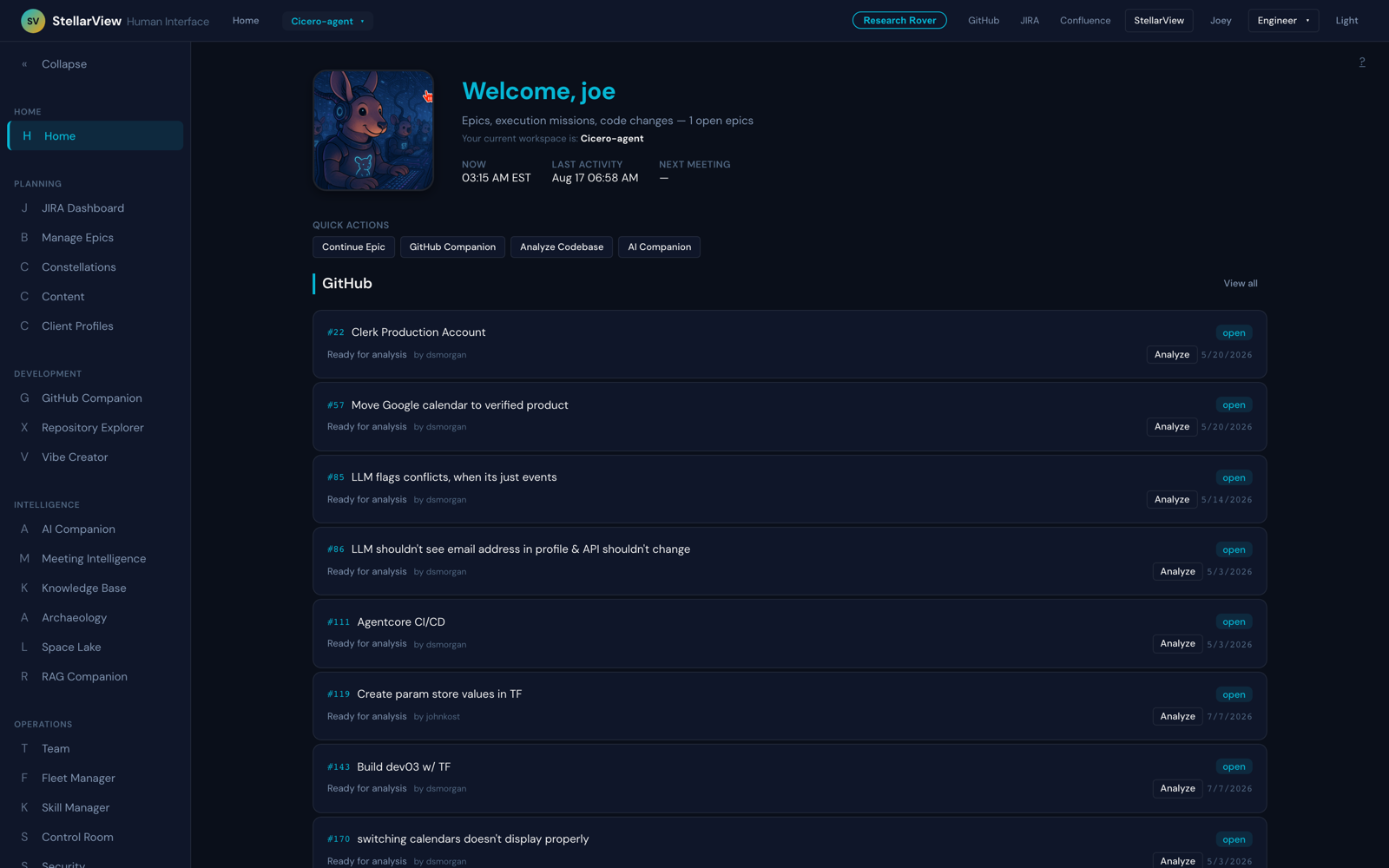
Thirteen minutes, every screen a live capture from a running deployment.
The Fleet is already a landing zone
Teams reach for a landing-zone programme first. Months of it, before anybody builds anything.
The Fleet is already a small one: accounts, network, roles, secrets, a registry, stood up to run the instances. The platform is deployed into that same shape, with the security posture that comes with it rather than one bolted on at the end.
Then the plan, before the code
The team describes what they want in their own words, because that is the only vocabulary they have. What comes back carries provenance on every field: typed by a person, parsed from a document, derived and marked as derived, or unfilled and named as unfilled.
The Big Bang Creator turns that into a real epic. On the reference build: 17 phases, 162 work units, 554 gaps surfaced before implementation.
That gap count is not a failure of planning. It is what planning looks like when it is honest, and every one of them was cheaper to answer then than to discover later.
A platform nobody can operate is not a platform
Code is the part that gets photographed and the smallest part of what a team needs. What they need is somewhere to look when it breaks at two in the morning.
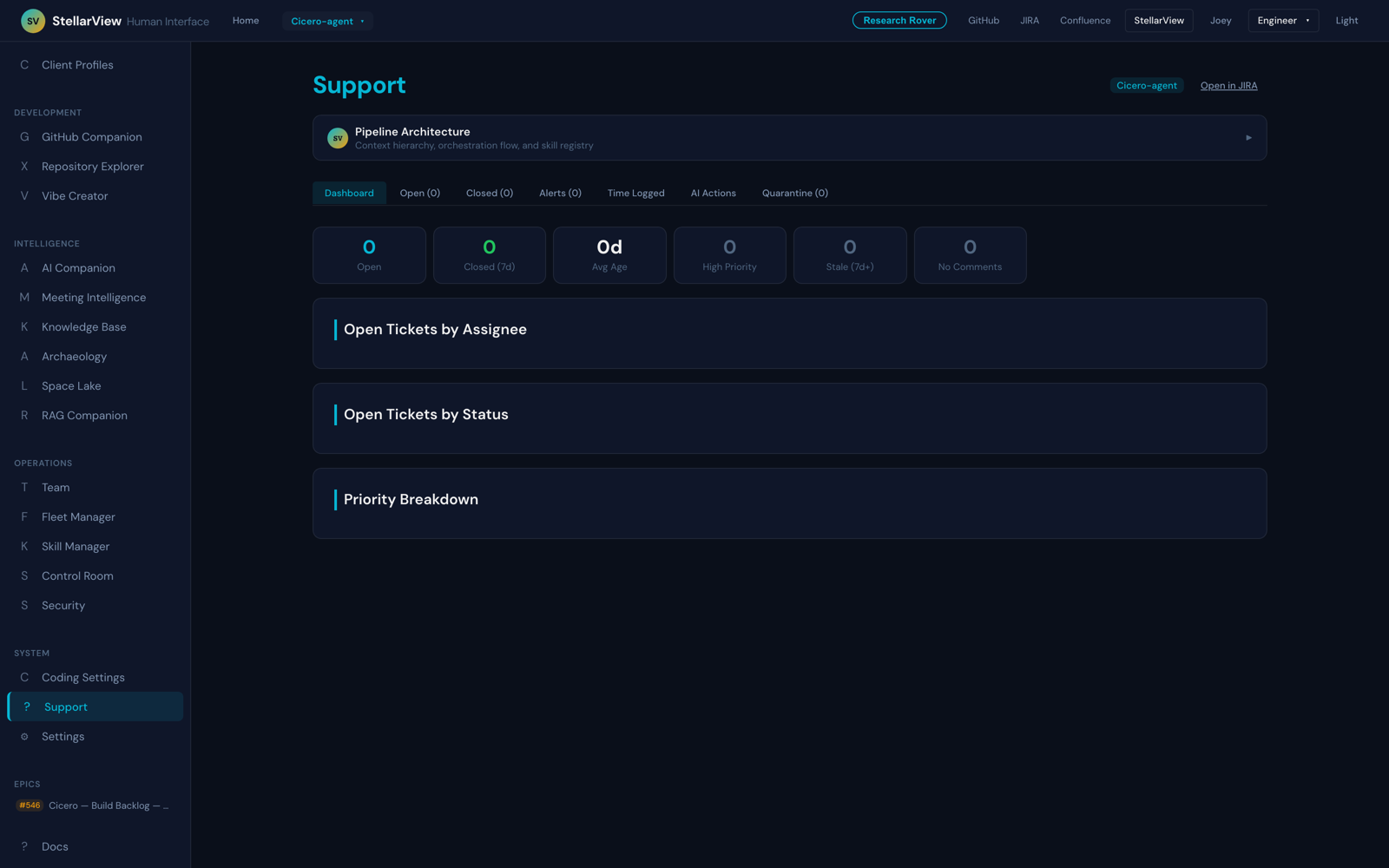
A support desk inside StellarView — open, closed, alerts, time logged, AI actions, quarantine. It reads zero across the board here because this instance has taken no tickets yet, which is what an untouched desk should say.
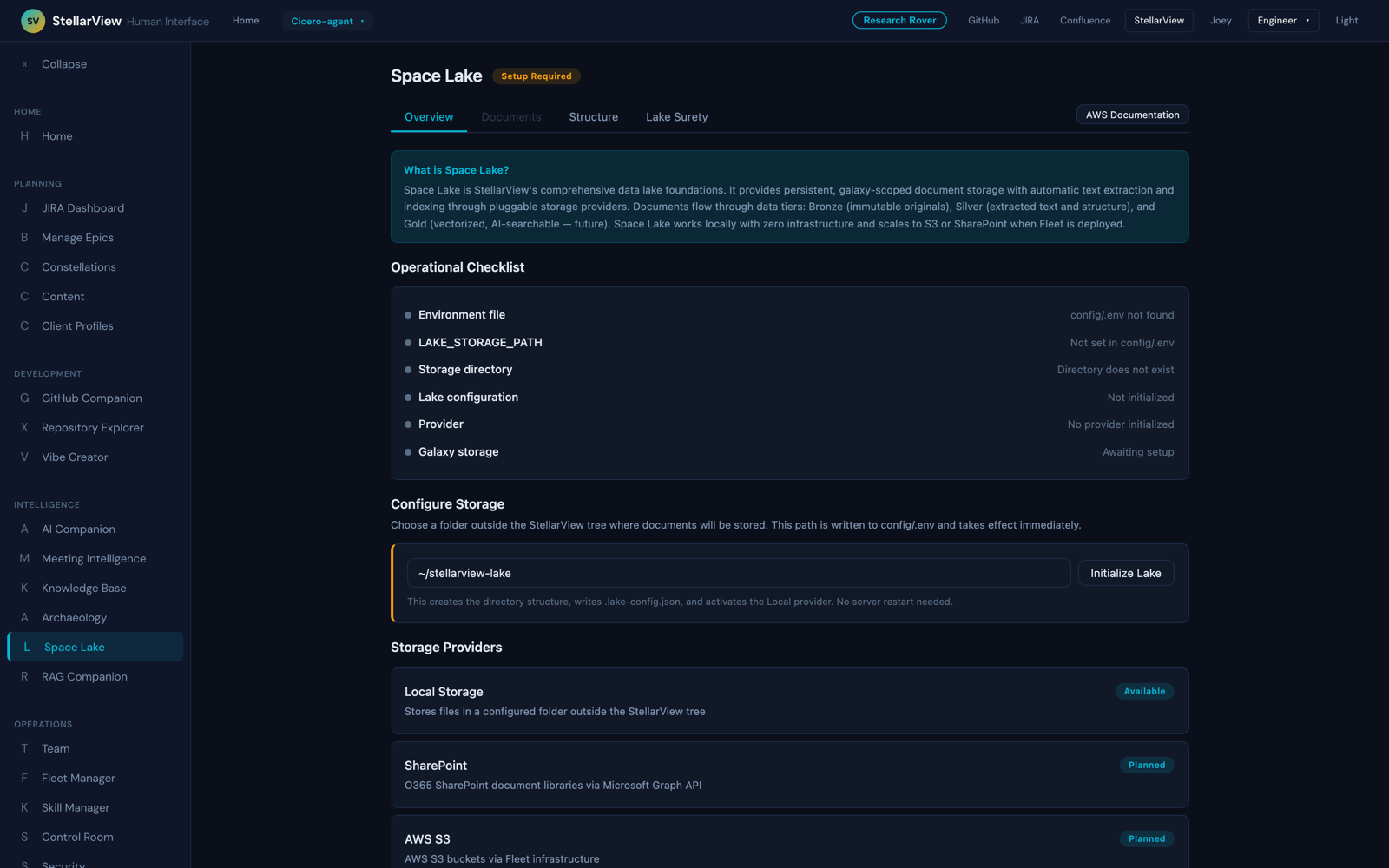
Documents land as immutable originals, get their text and structure extracted, and become searchable. Local first, S3 when the Fleet is deployed.
One StellarView each
Not a licence and a download. A running instance per person, loaded with their repositories at the exact commits that hold the work.
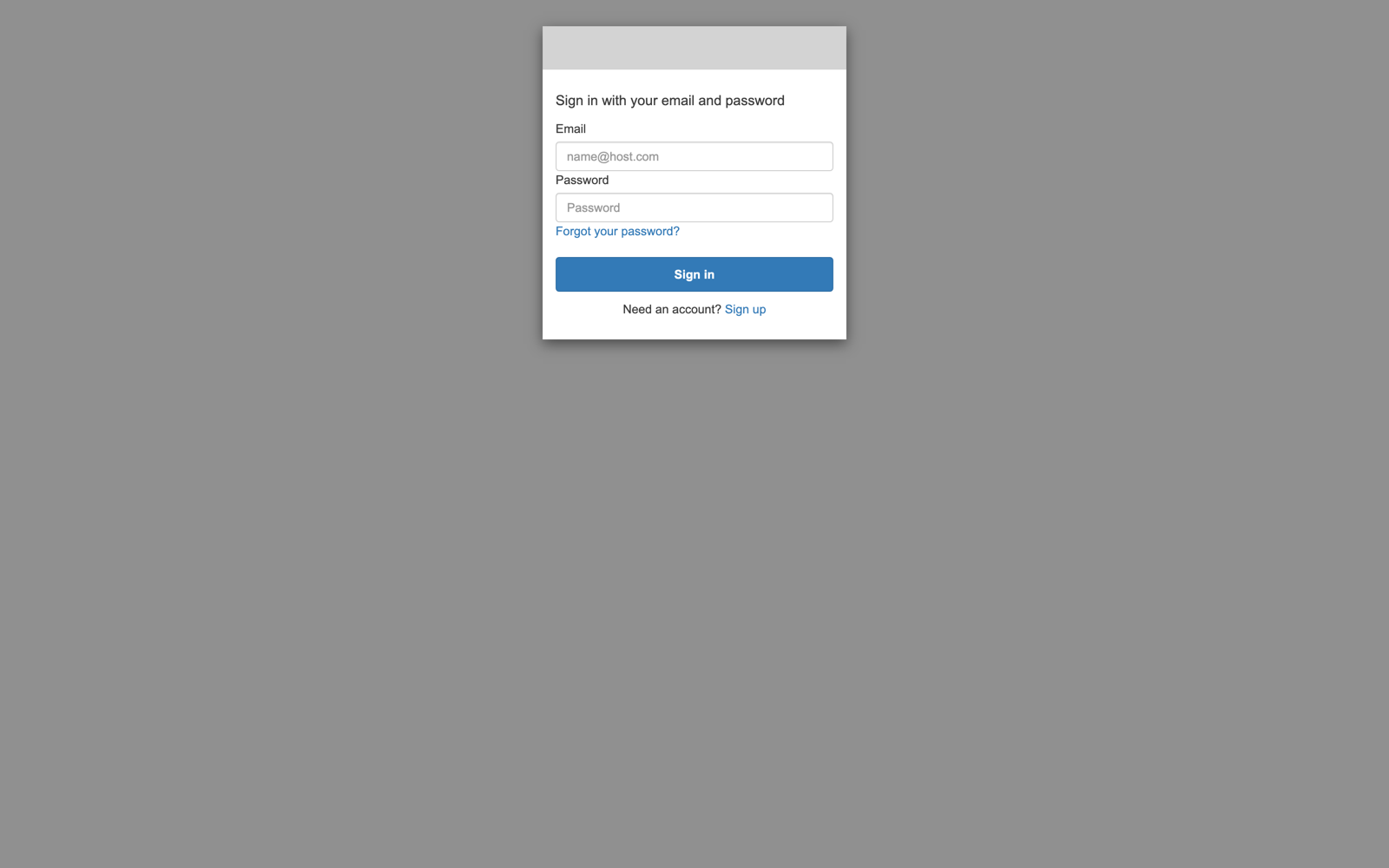
The instance has no public address. It sits on a private subnet, the load balancer holds the only route, and it will not pass traffic until Cognito says who you are. Credentials are never in the image or the deployment. The container fetches its own at boot, from a secret only it can reach.
Their token. Their key. Their spend.
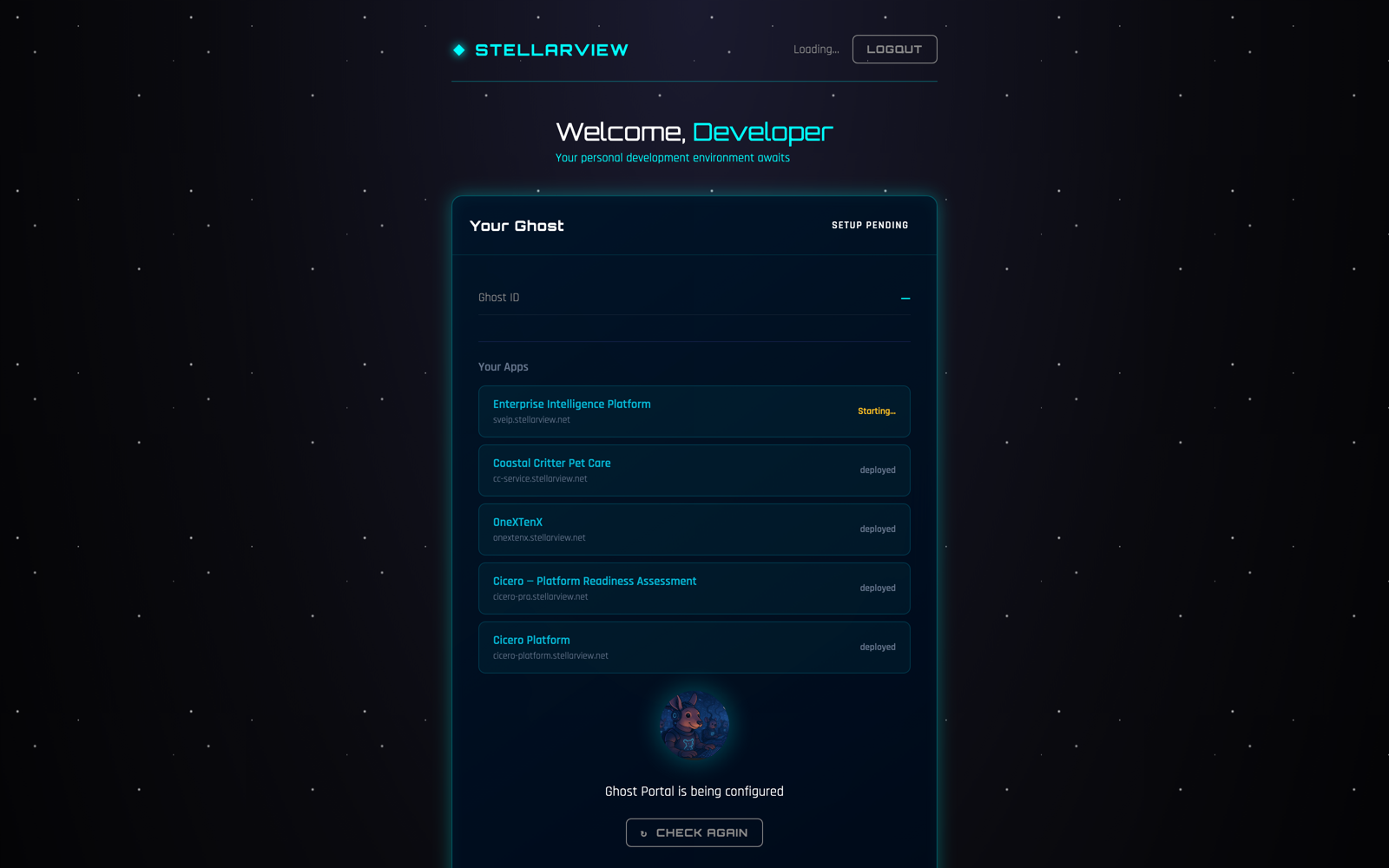
Each member sees one machine. Theirs. Started when they need it, stopped when they do not.
And the rings underneath it
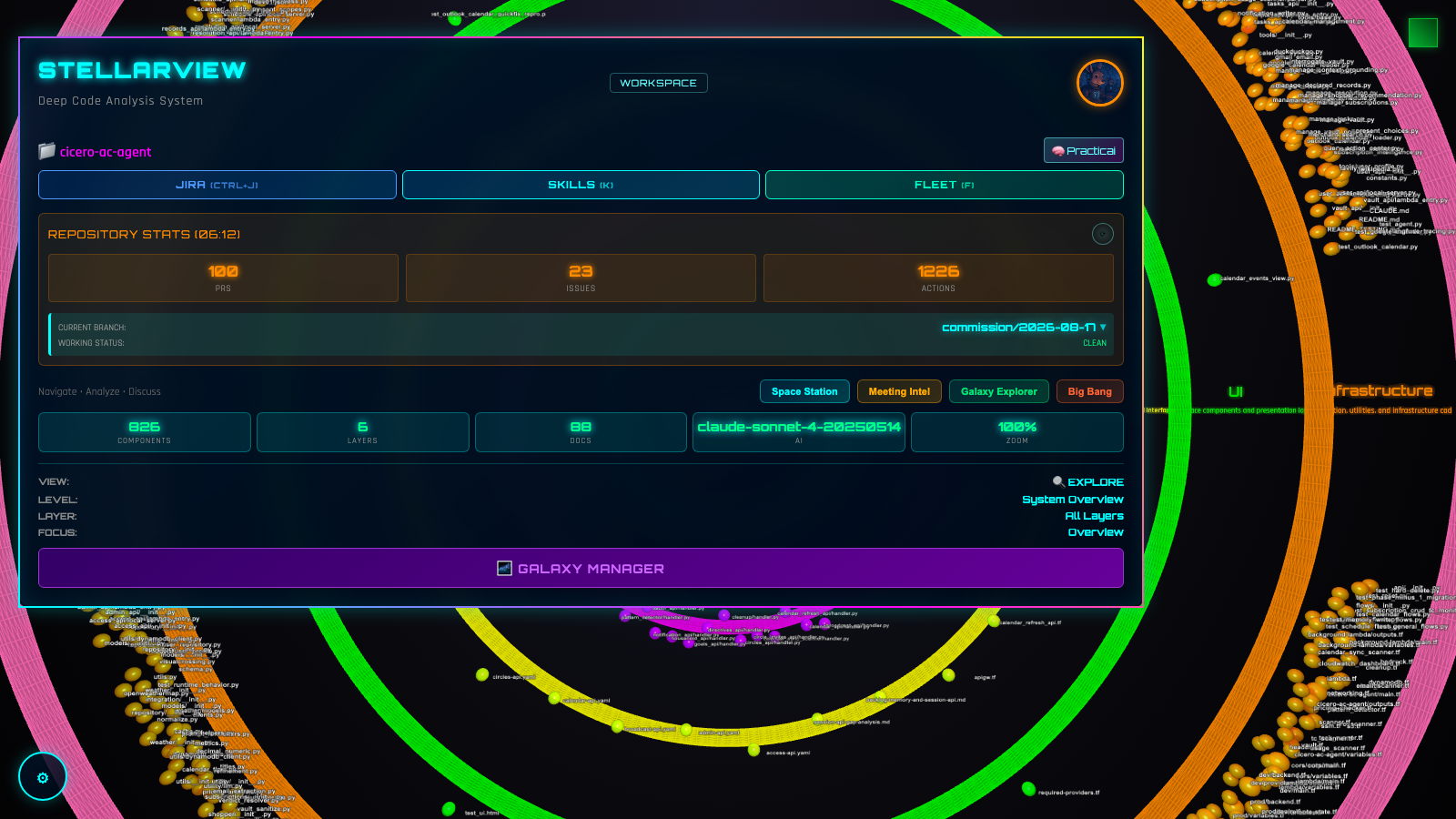
826 components, 6 layers, 88 documents — the codebase drawn as rings you can rotate, and read.
Then one action moves it across
Same instances. Same addresses. Same repositories at the same commits. Same wiki, same tickets, same support desk.
What changes is the account it runs in, and the name on the bill.
By then their team has been operating it for weeks. Which is the entire point. Nothing about their working day changes on the day they take ownership, because they were already doing the work.
The mountain was never the code. It was being sure the thing works, and being sure before anyone had to depend on it.