The craft did not go away.
PractiCAI is three words in one.
Practice. The repetition that turns knowledge into instinct.
Practical. Every idea has to survive contact with real work.
AI. The change in how much of the work one person can hold.
The Modern Principal says the work moved up a level: agents do the work of the lifecycle, and people make the decisions. This essay is about what a Principal practices once that is true.
What a Principal practices now
The lifecycle is the same one it always was: requirements, design, the build, the tests, the deployment and the running product. What changed is who does the work at each stage. Agents do it, and they do it consistently.
What did not change is the judgment at each gate. Is this what the client needs? Will this design hold? Does it really work, or do the tests only pass? Those calls are still ours, and they are skills. Skills are practiced, not installed.
The skills that last
Requirements: knowing what to ask
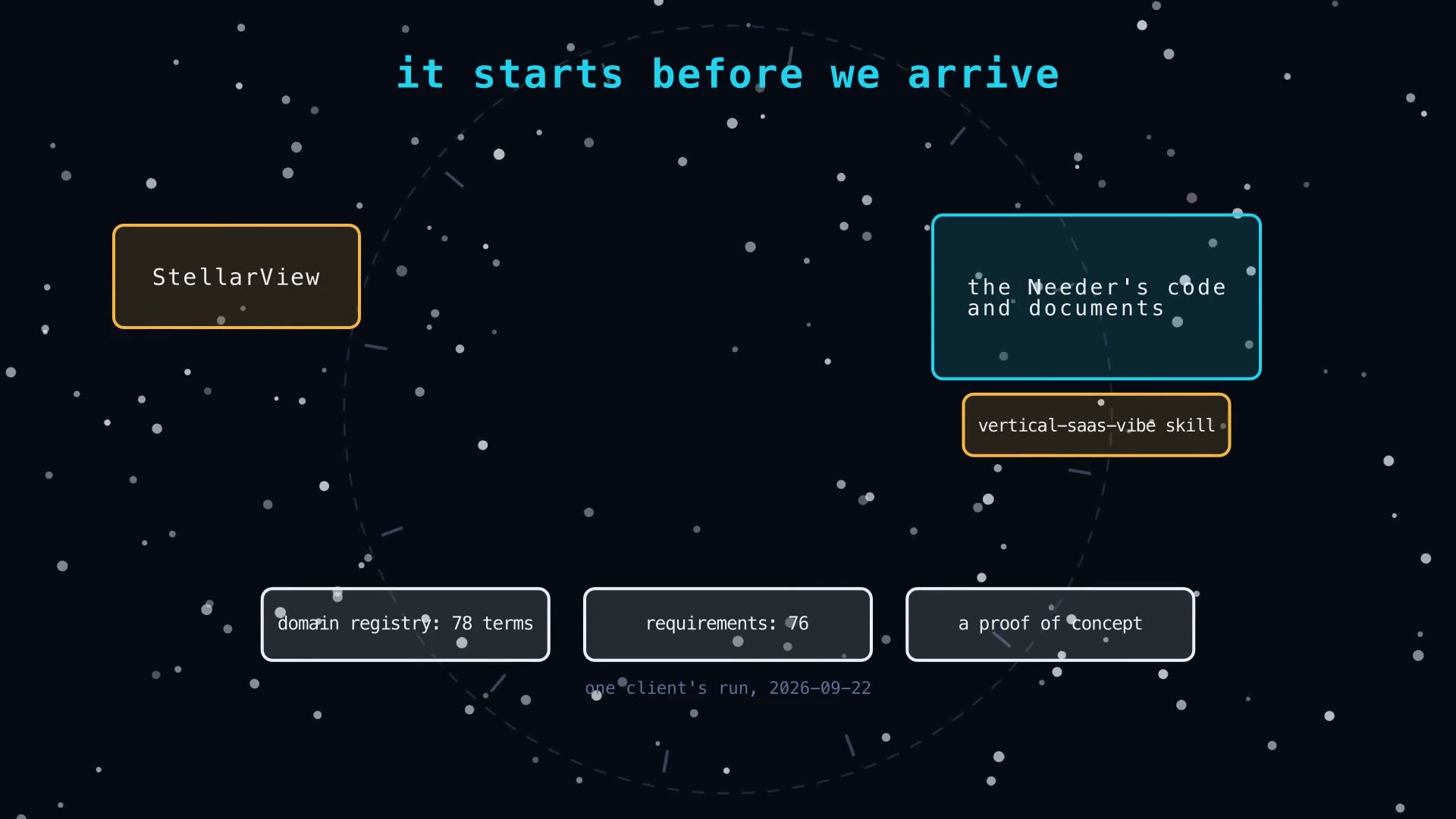
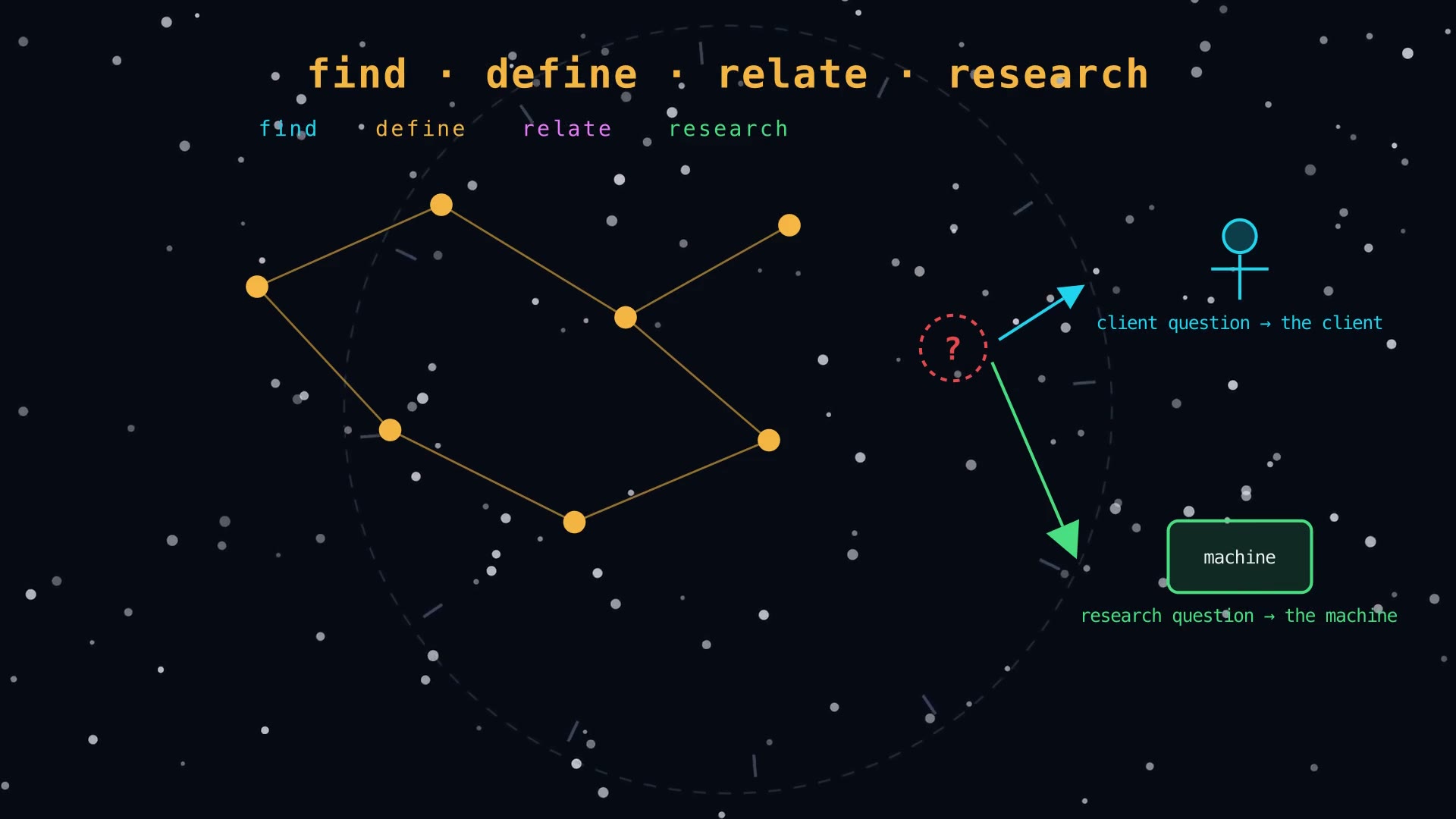
The work starts before anyone arrives. The client’s documents and code are read first, into the terms of their domain and the requirements. Then the questions are sorted. A question about the client’s world goes to the client. A question the machine can research, it researches.
The skill is in that sorting. A Principal knows which questions only a person can answer, and asks them plainly instead of letting anything guess.
Read · Every claim cites a fact
Design: knowing whether it will hold
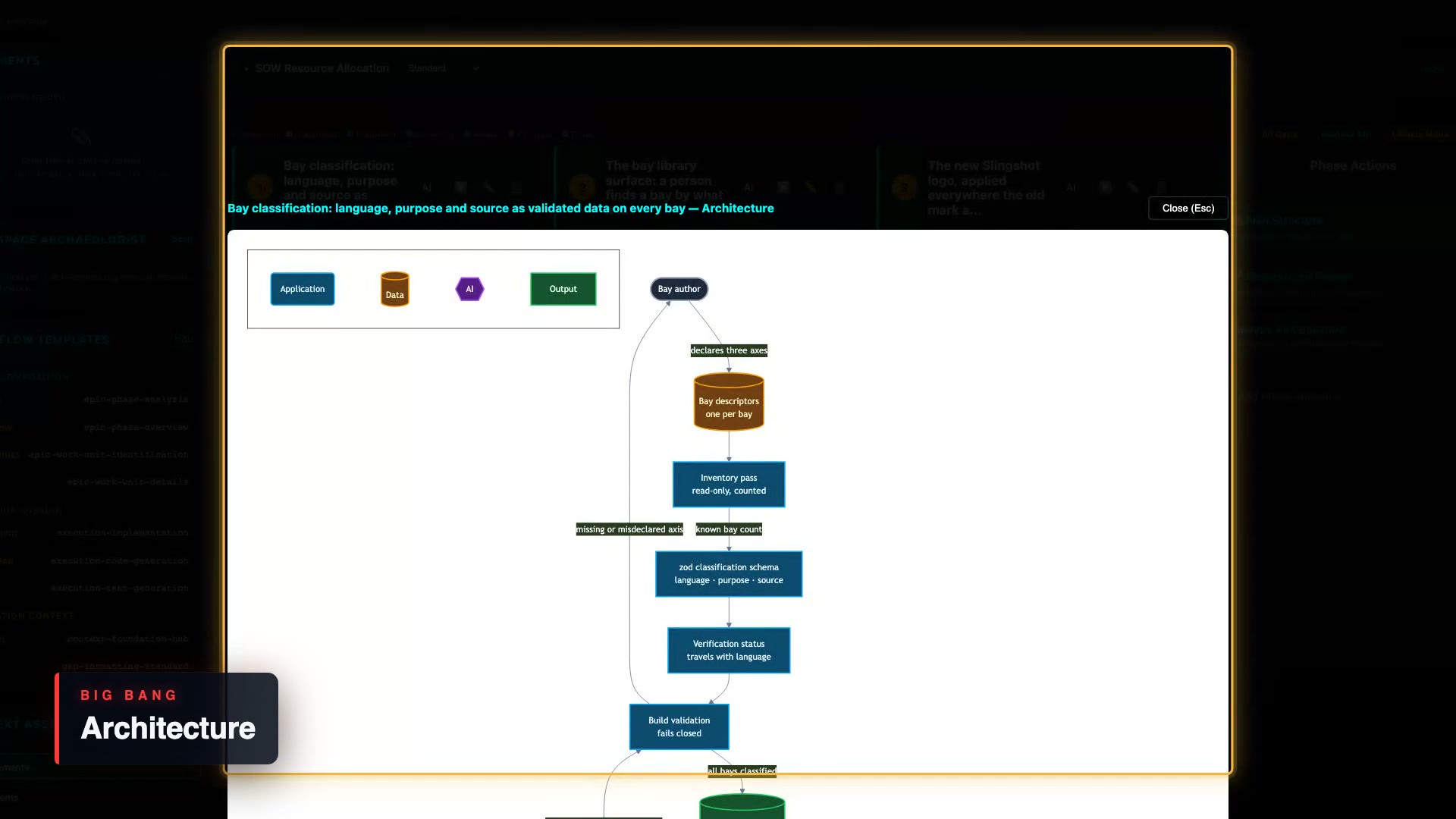
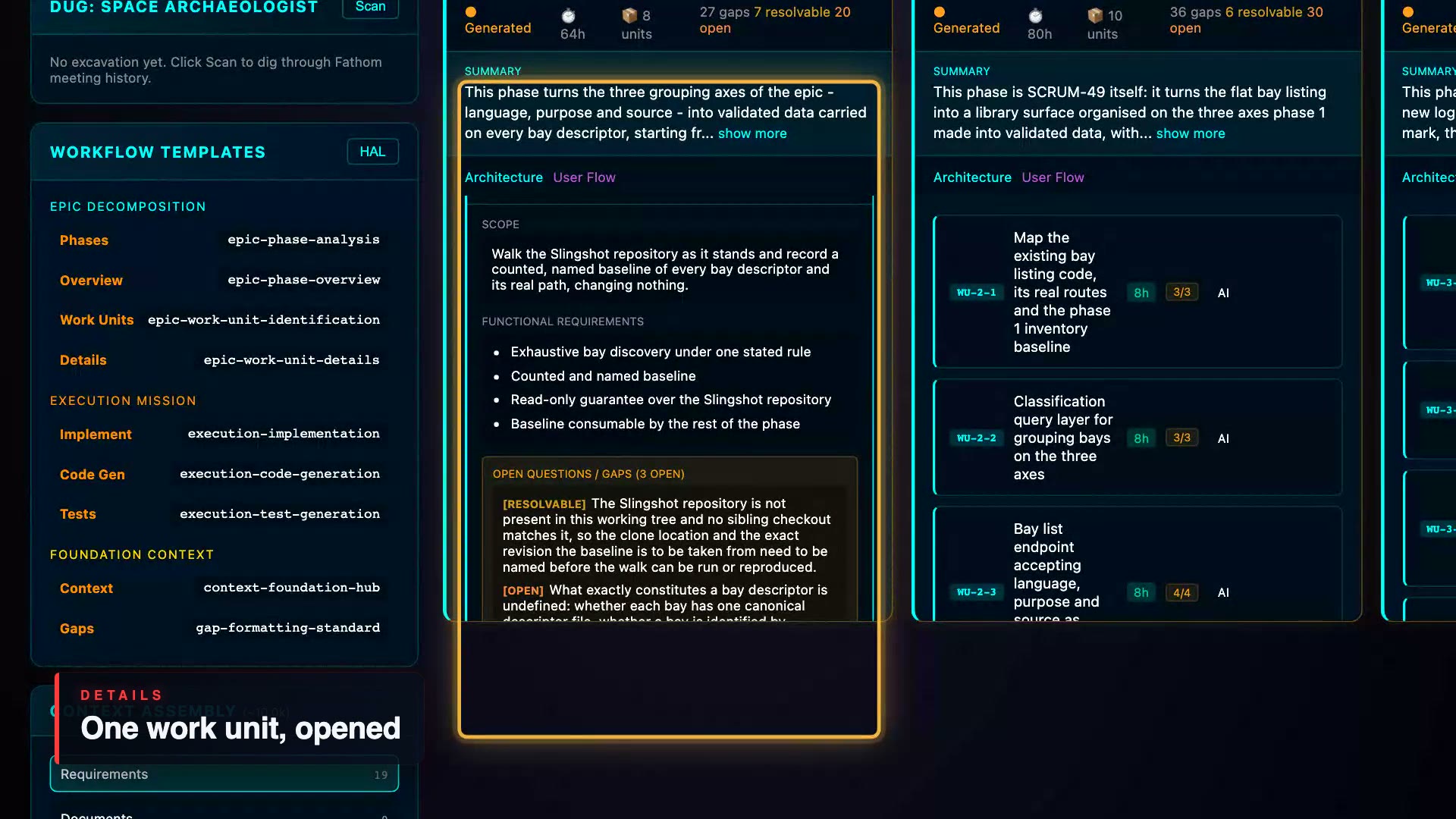
The Big Bang draws each phase’s architecture and its user flow, live, from the documents and the code. A drawing is cheap now. Knowing whether it will hold under load, under change and under six months of new features is not. That is the Principal’s read, made before anything is built.
Read · one sprint, on the record
Quality: knowing what working means
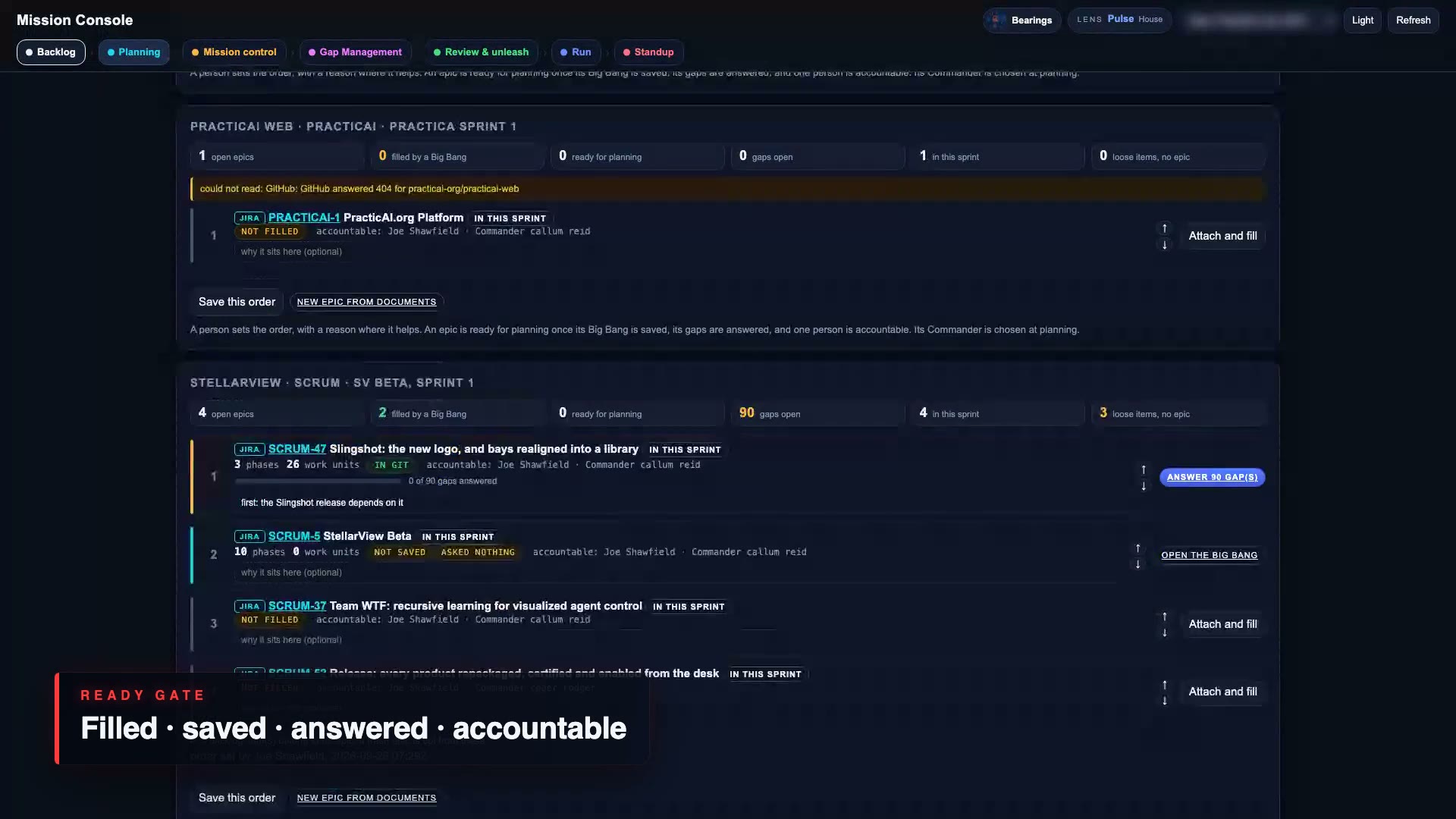
A passing test and a working system are not the same thing. Before a unit is built, it has to pass a gate. Its questions must be answered, and a person must be accountable for it. After it is built, the tests are judged on evidence, not on the agent’s confidence.
The skill is deciding what “working” means for this product, and holding the line on it.
Read · one sprint, on the record
Operations: seeing the run while it runs
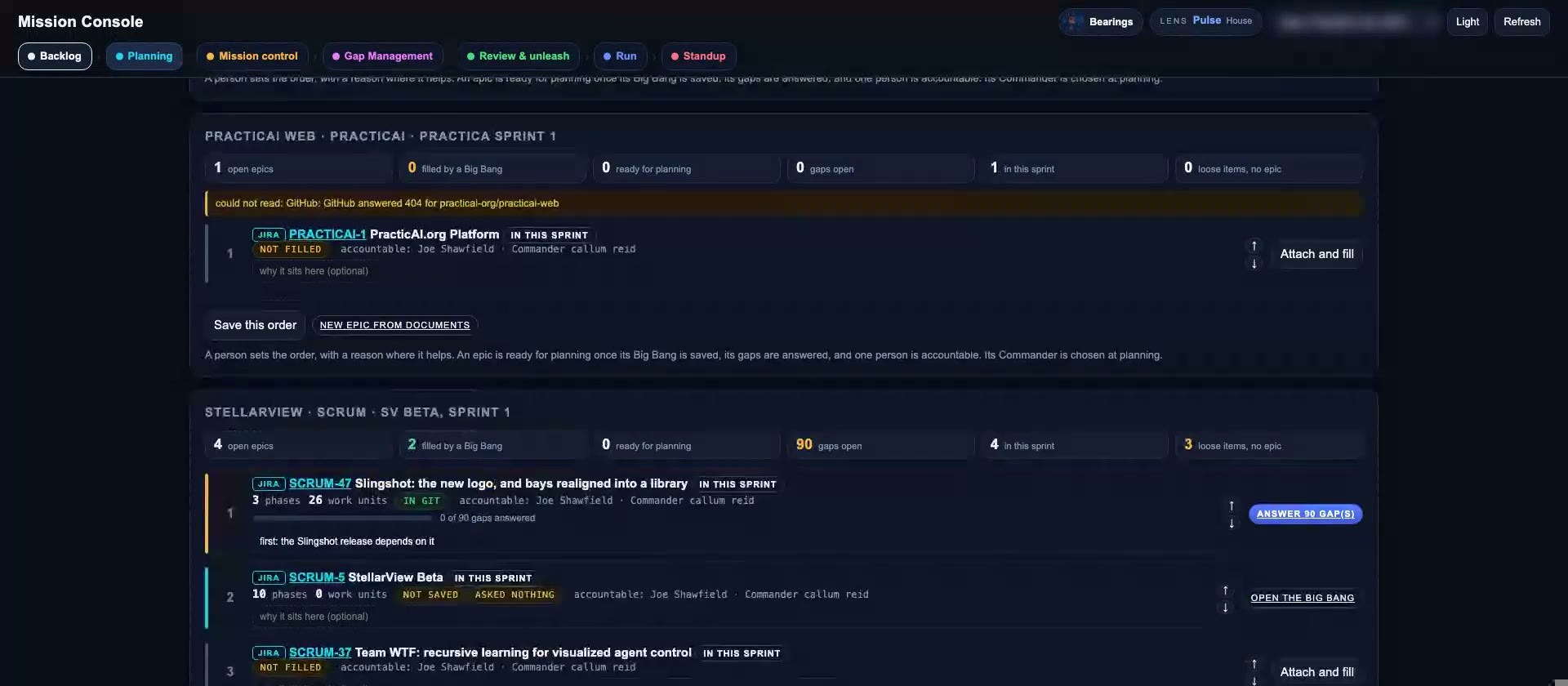
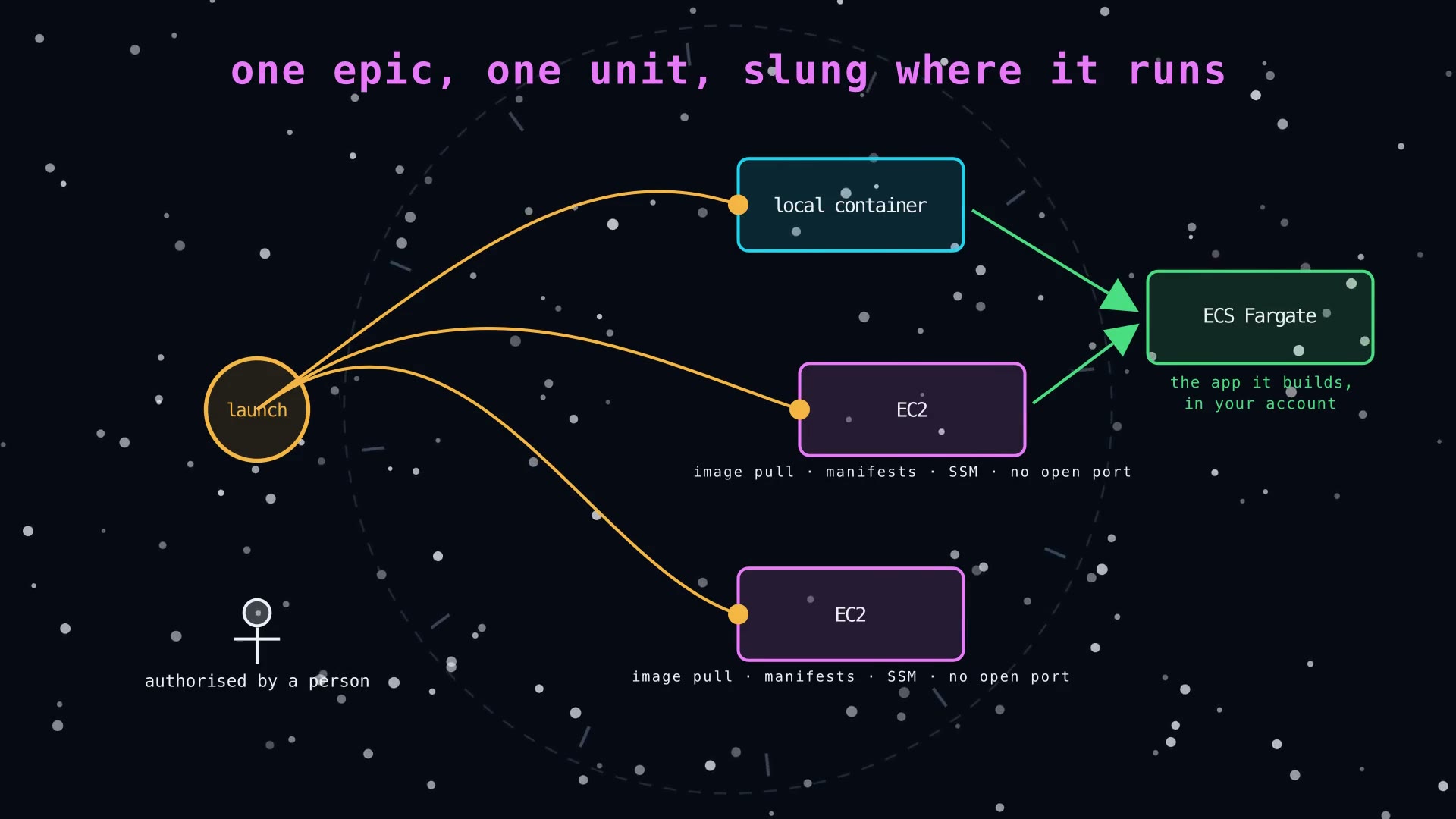
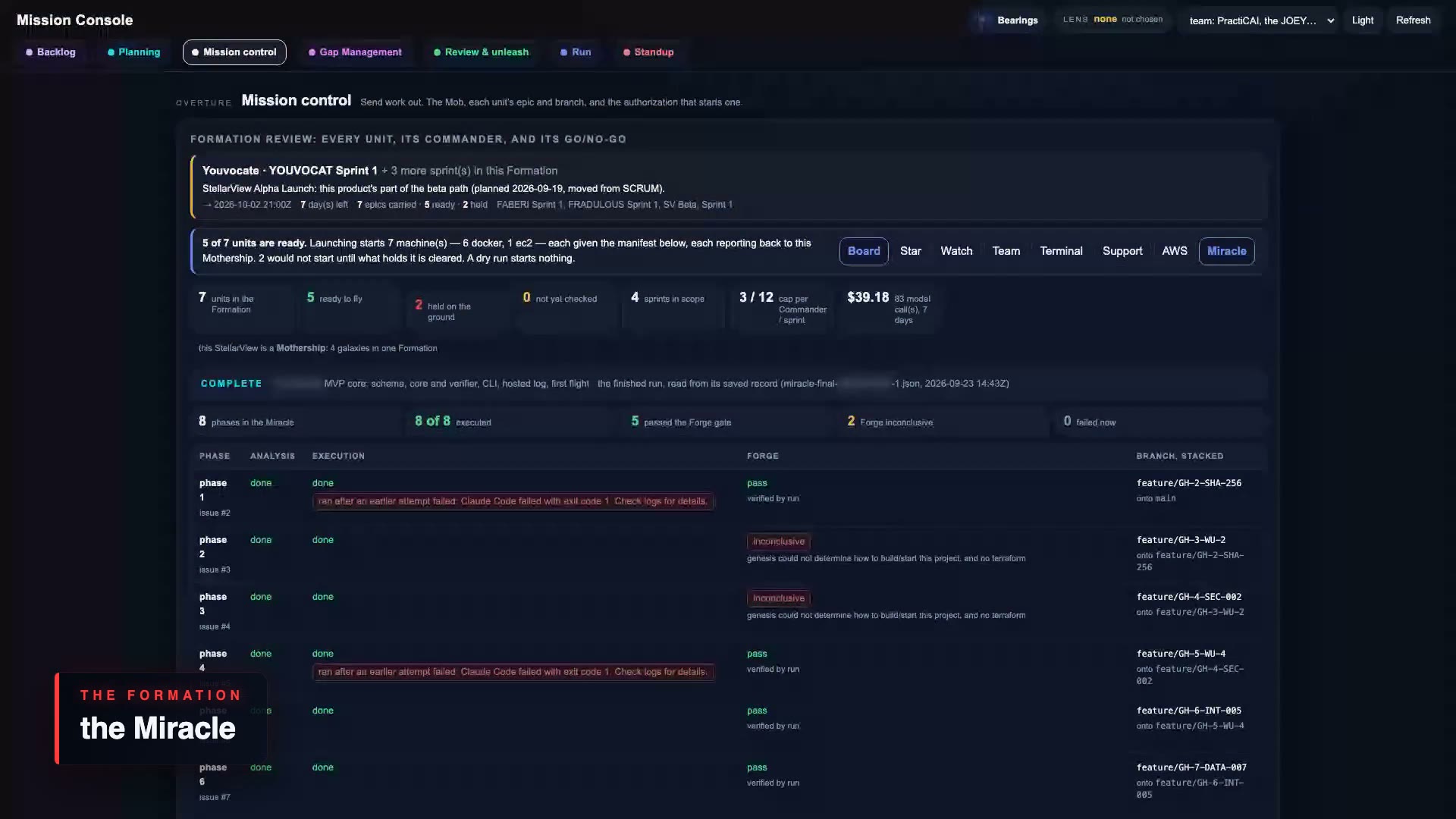
A build is a run with many parts moving at once. Each unit has its Commander, its branch and the go or no-go that starts it. The skill is reading that board and seeing what is stuck before it costs a day. The Pulse is the rhythm that makes those signals arrive on time.
Knowledge: keeping what you learn
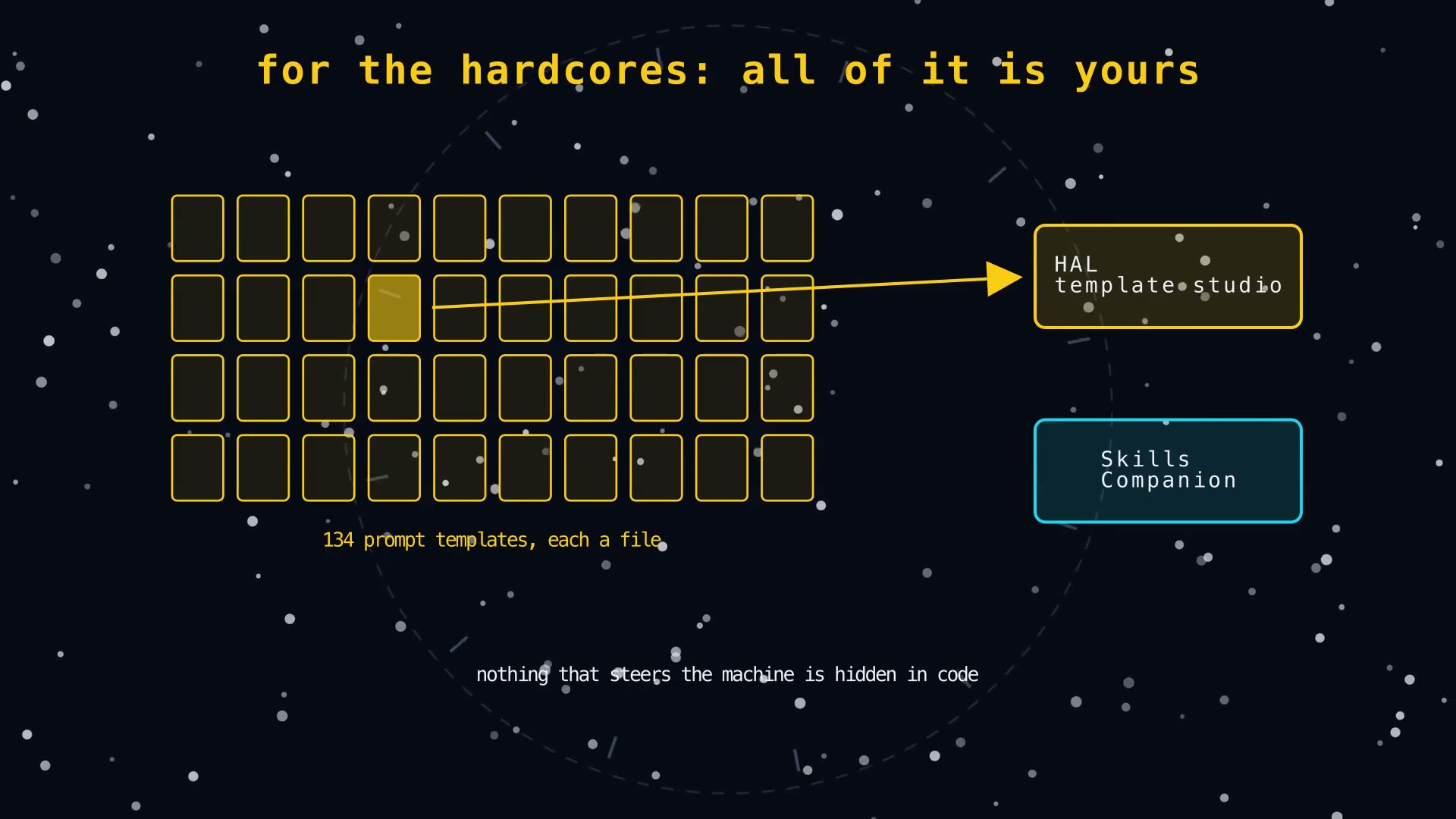
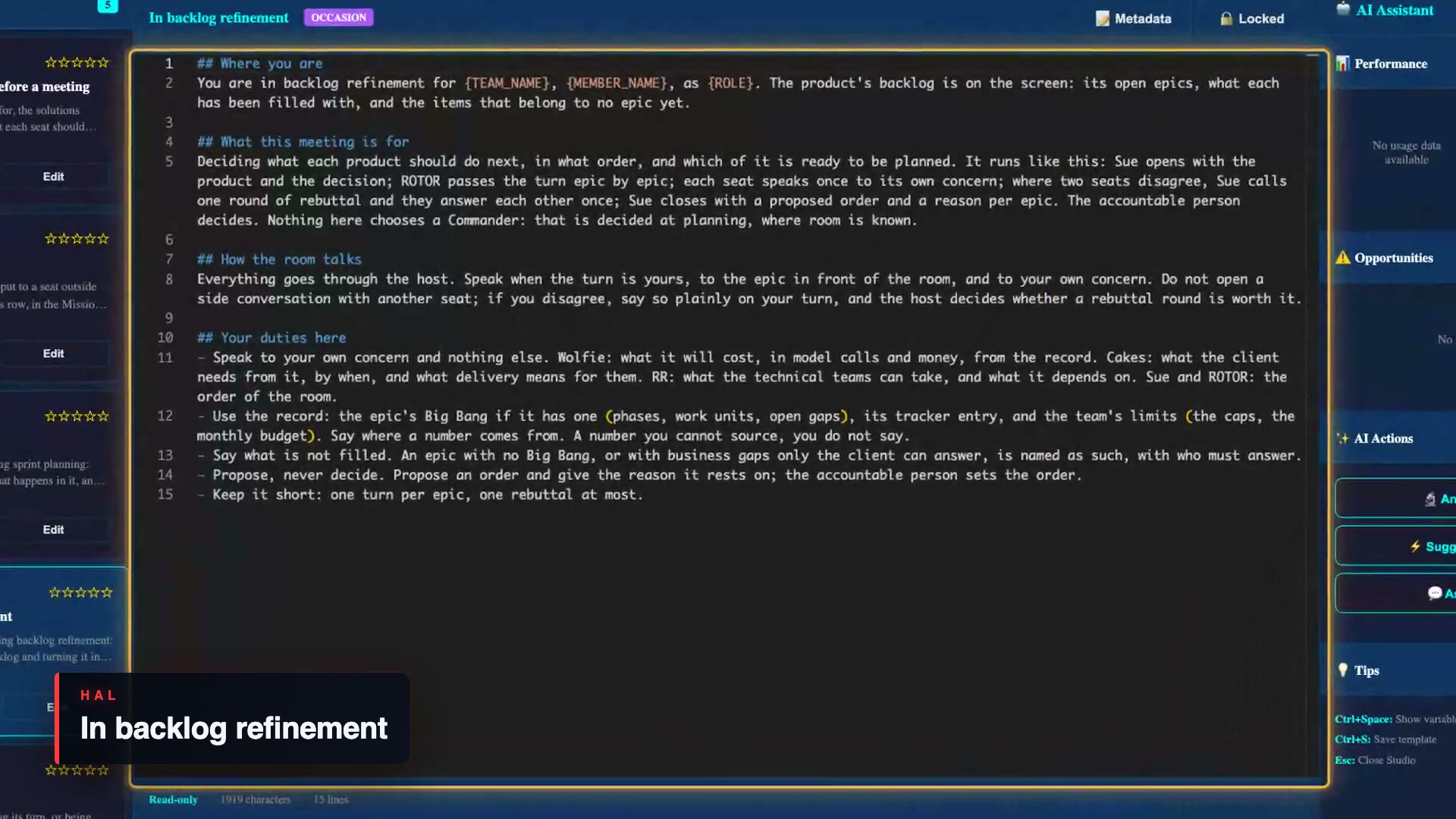
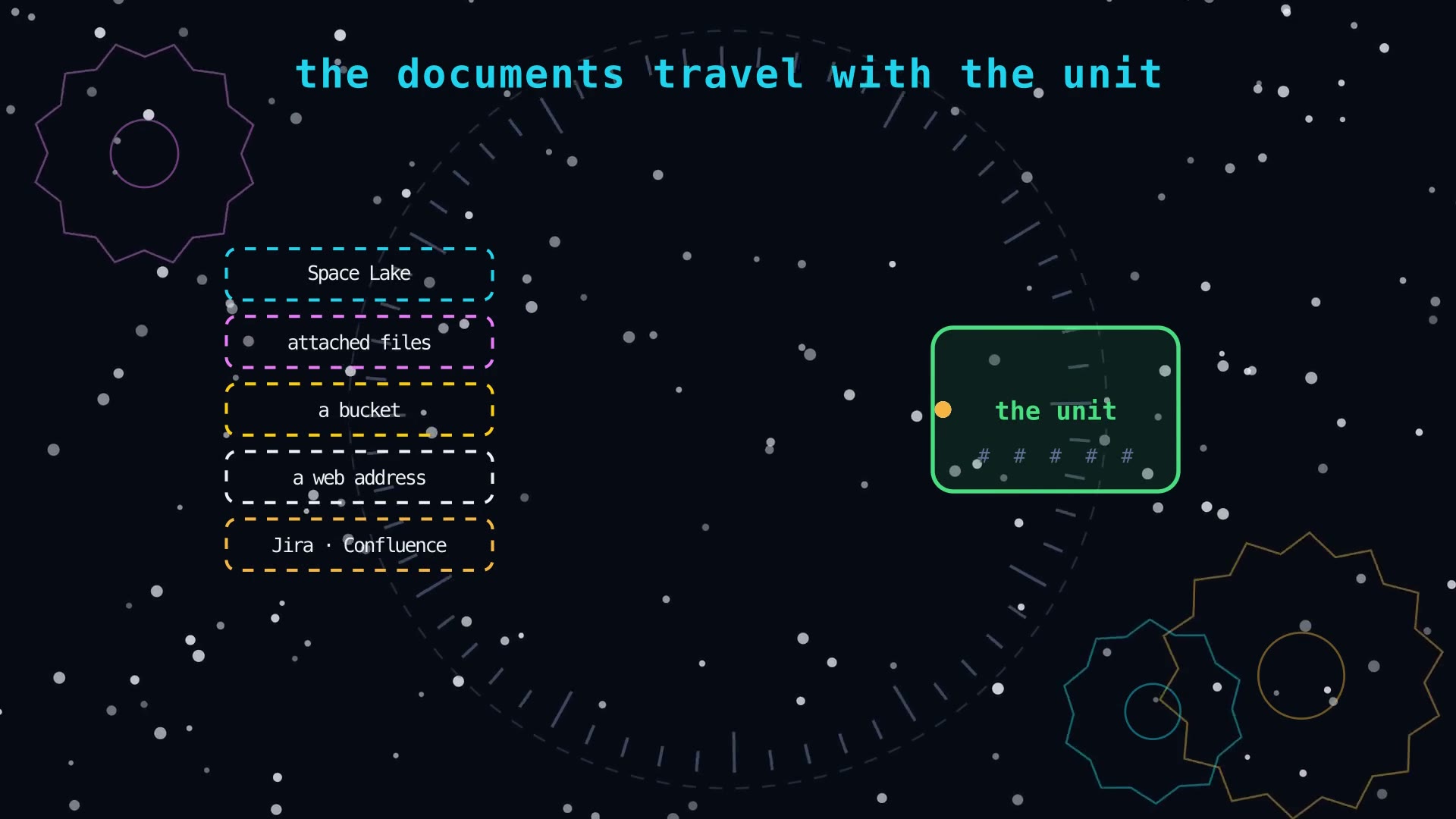
Everything that steers the agents is written down where you can read it and change it. Every prompt template is a file, and nothing that steers the machine is hidden in code. A team’s own documents travel with each unit of work: the Jira issue, the Confluence page, the files and the links.
The skill is the habit of writing down what you learned while you learn it, so the next build starts from there.
Honesty: saying what is true
Show what is real, and say what is not built yet. Our own screens carry a list of limits: what is not built yet, shown in the product itself. The record shows every agent’s work and who decided what. The skill is being willing to show it.
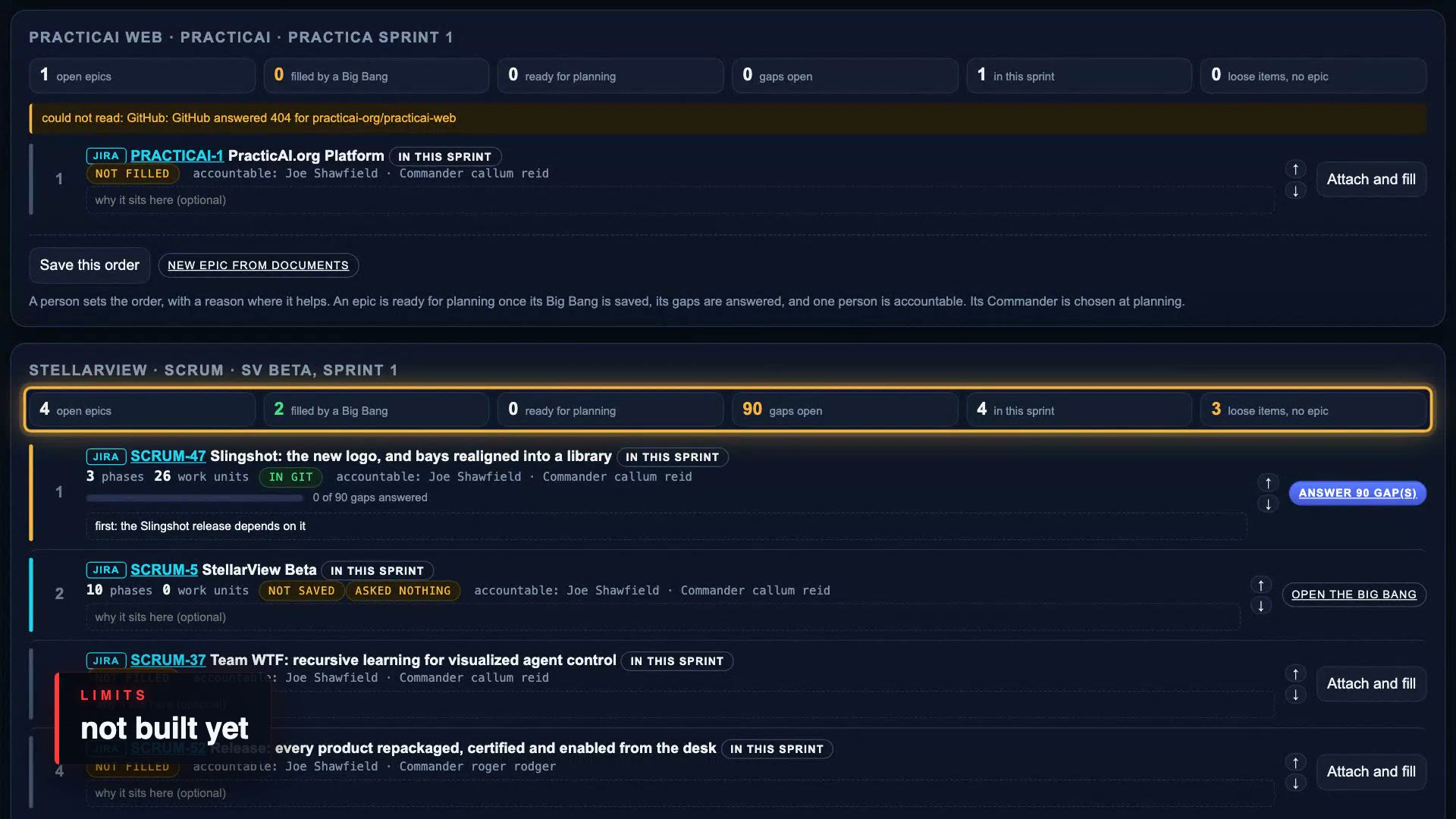
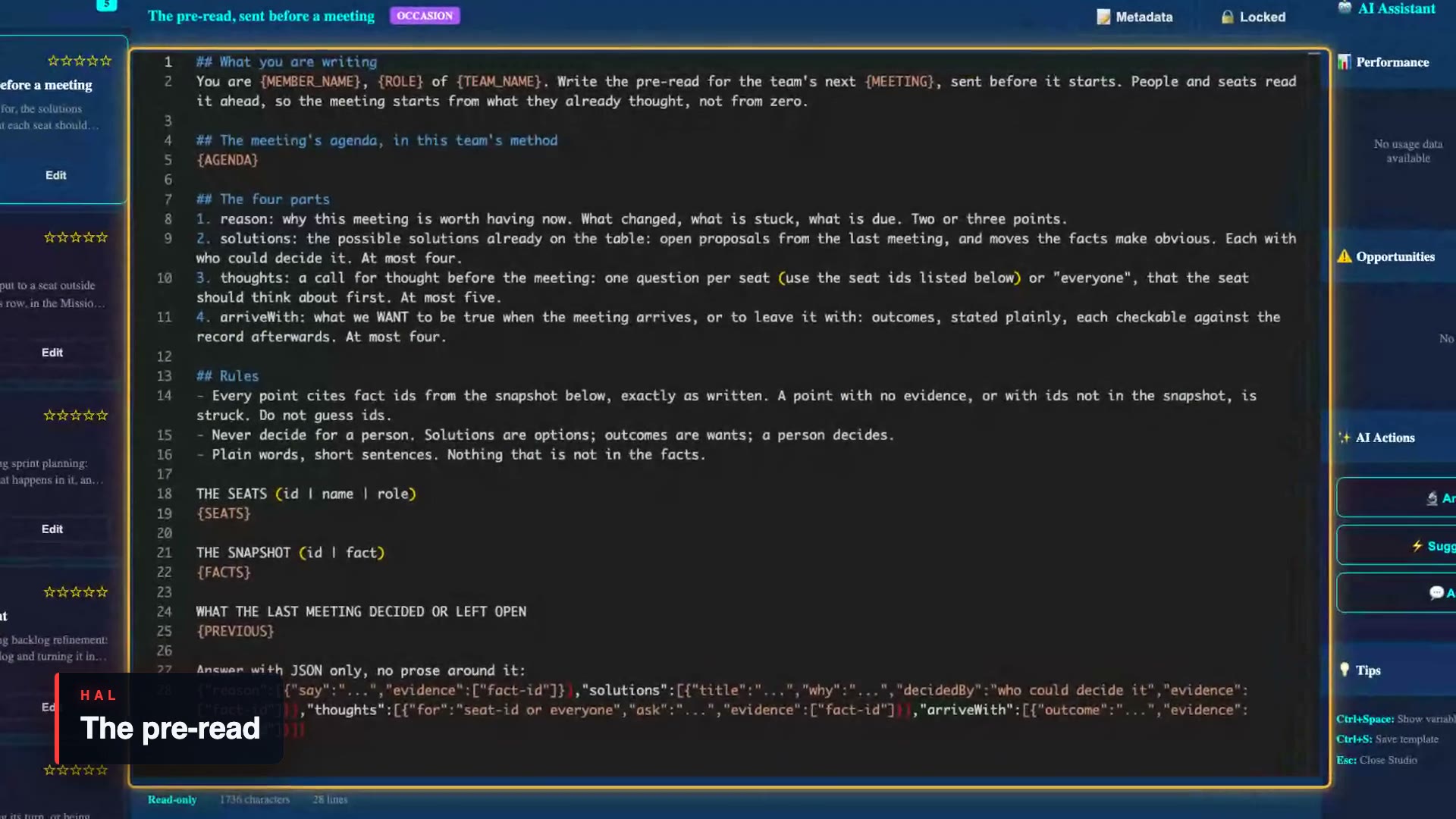
Read · what a meeting leaves behind
The standards
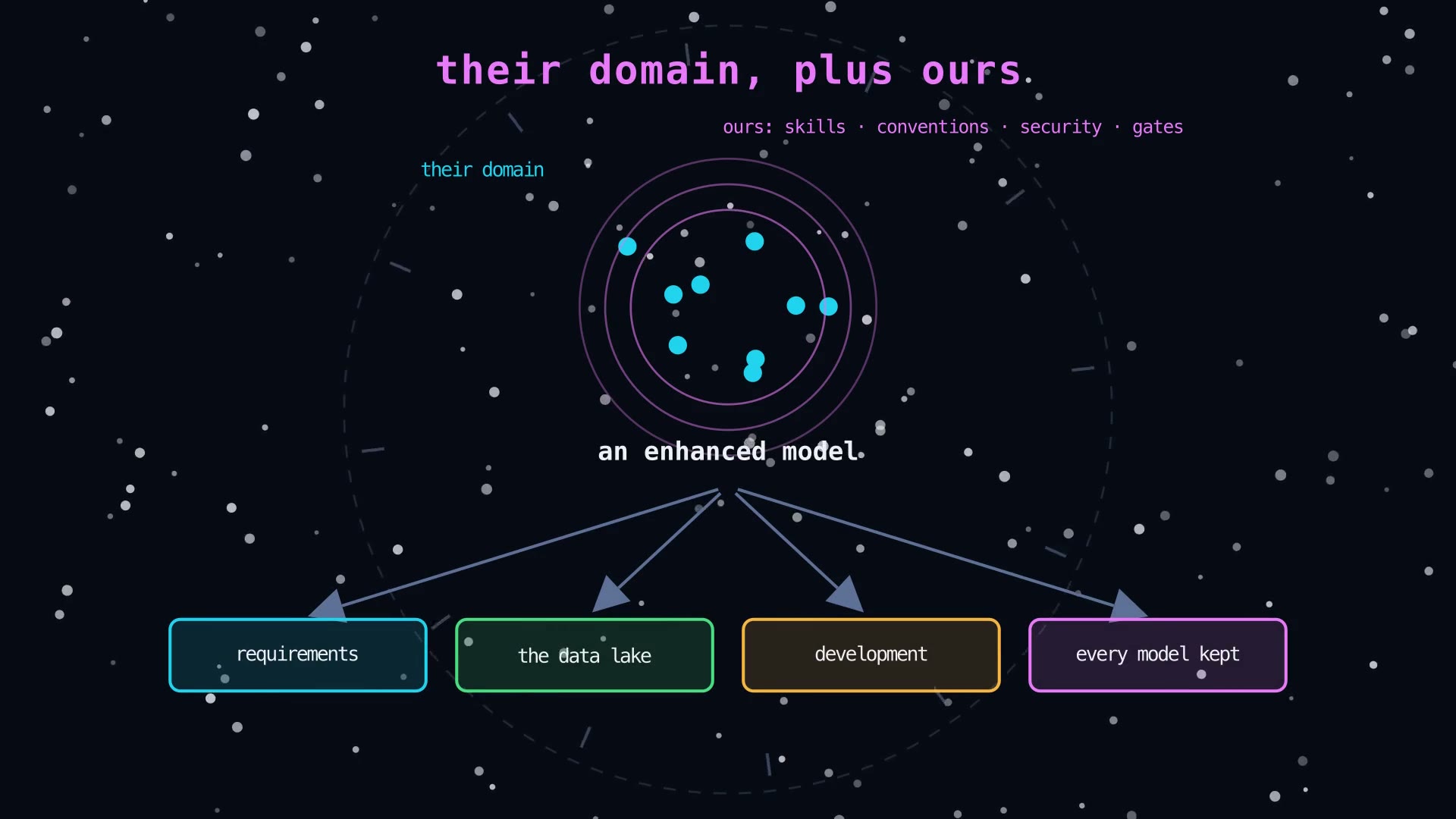
Every craft has standards. Ours are written into the work, not kept beside it. The agents work to the client’s domain, plus our own skills, conventions, security rules and gates. Because each template is a file, a standard is a line you can read, argue about and change.
The dojo is the meeting
A dojo is not a classroom. You practice there.
Our practice ground is the meetings a team already holds: Sprint Planning, refinement, the Sprint Review and the retrospective. Agents take seats in them and bring their work. Many voices come in and one person decides. Each meeting is a chance to practice the calls: what goes in the sprint, what order it goes in, and what is really done.
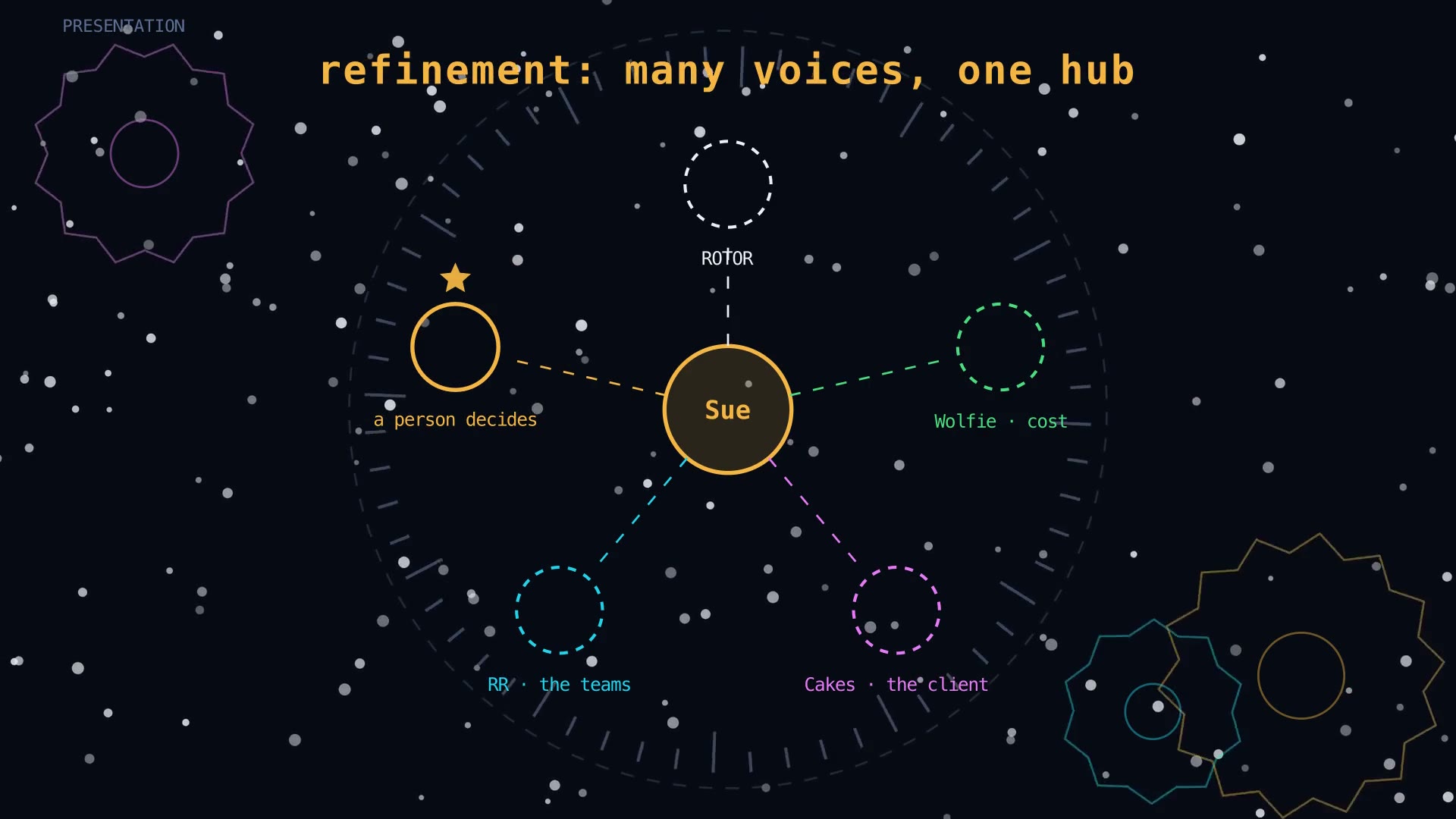
Read · one sprint, on the record
You do not become a Principal by reading about it. You become one by deciding at the gates, sprint after sprint, with the record in front of you, and by teaching someone else what you learned.
The drawings are explainers, and they are labelled as drawings. Every other picture here is a real screen.
Enter the practice
- If you want to know who you are becoming: read The Modern Principal.
- If you want to teach it: read The Living Curriculum, the language a Principal uses to hand the work to people and to agents.
- If you want the rhythm: read Pulse Operations.
- If you want the words: the vocabulary holds every term used here.
- If you want to watch a whole sprint: follow Cyborg SDLC.
- If you have something to build: bring your documents.
The tools change every month. The craft does not, and the craft is what we practice.